

 Indonesia
Ensuring Competent and Professional Graduates: Hamzanwadi University Faculty of Engineering Holds Competency Assessment
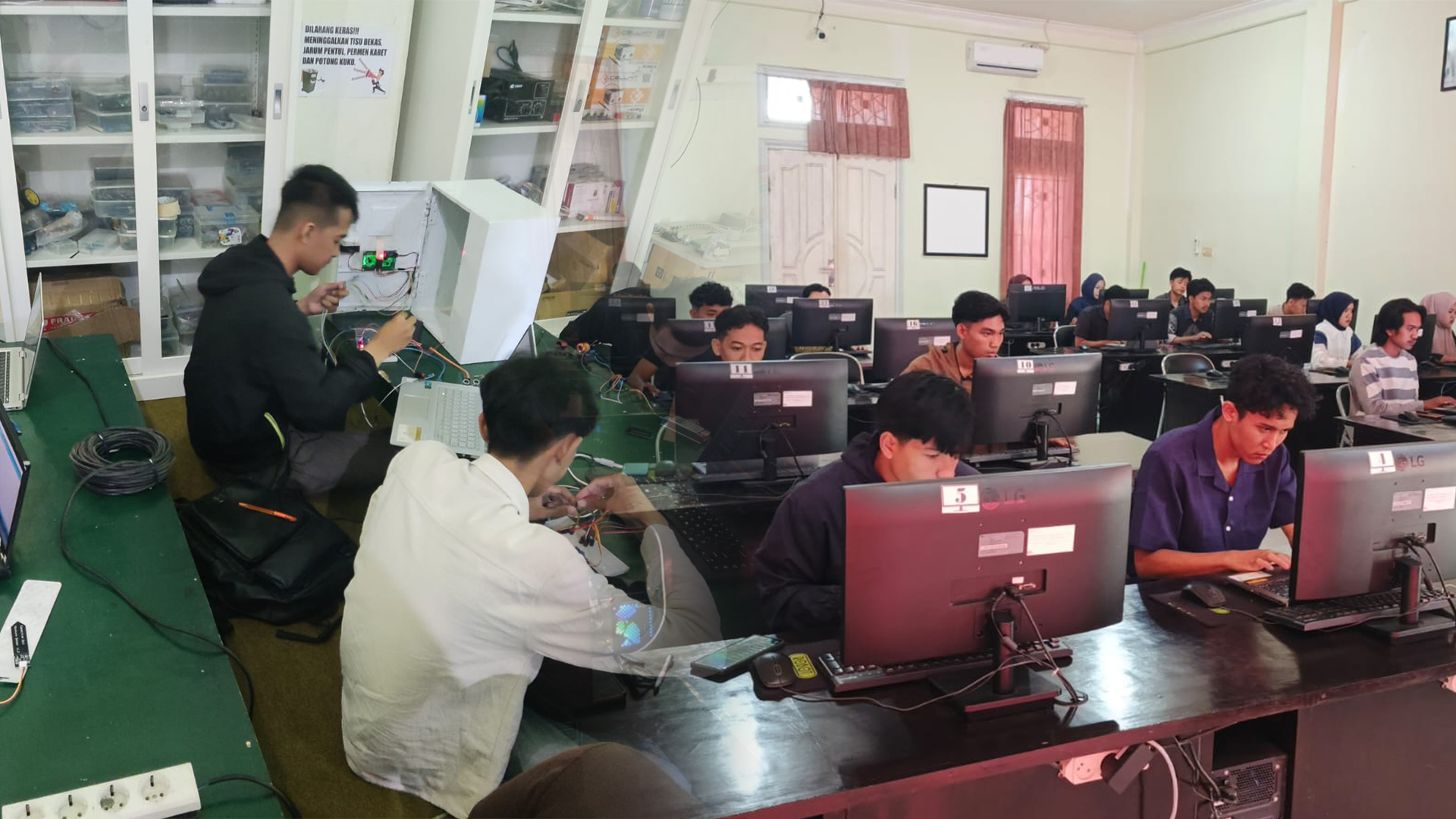
Pancor – The Faculty of Engineering at Hamzanwadi University held a Student Competency Assessment over two days, August 19–20, 2026. Hundreds of final-year students from various study programs participated in the event, which took place on the Faculty of Engineering campus.
The competency assessment is part of the Faculty of Engineering's efforts to ensure that students possess not only academic knowledge but also the technical competence and practical skills relevant to the demands of the workforce. This activity also serves as a strategic step by the faculty to enhance graduate competitiveness amidst the increasingly dynamic demands of the industry.
The Dean of the Faculty of Engineering at Hamzanwadi University, Dr. H. Djamaluddin, BE., M.Kom., emphasized that professional competence is a crucial attribute for students to possess before entering the workforce.
"We want to ensure that every graduate is not only well-versed in theory but also possesses specific, professionally recognized skills to meet the dynamic needs of modern industry," he stated while opening the event.
This year's assessment covered eight strategic fields of expertise: Software Engineering (RPL), Internet of Things (IoT) and Robotics, Microcontrollers, Data Mining/Data Science, Multimedia, Computer Networking, Environmental Management, and Environmental Engineering.
In the Software Engineering field, students were tested on their abilities in system design, programming, and application system testing. Meanwhile, the IoT/Robotics field covered sensor integration, automation, and robotic programming. The Microcontroller competency focused on the development of chip-based hardware and embedded systems.
The Data Mining/Data Science field assessed skills in data analysis, predictive modeling, and information visualization. In the Multimedia field, students were tested on audio-visual processing, animation, and interactive digital assets. Finally, the Computer Networking field covered the installation, configuration, security, and management of network infrastructure. The other two areas—Environmental Management and Environmental Engineering—assess students' competence in environmental governance, environmental impact analysis, risk mitigation, waste management, clean water provision, and the implementation of sustainable engineering solutions.
The competency assessment is conducted by a team of examiners possessing expertise and experience in their respective fields. Through this structured assessment process, students are expected to demonstrate their mastery of competencies while gaining valuable experience to prepare them for the professional world.
The Faculty of Engineering at Hamzanwadi University hopes that this initiative will strengthen the quality and competitiveness of its graduates, enhance their readiness to meet industry demands, and support higher rates of alumni employment in the workforce, both nationally and internationally.