
 Indonesia
Hamzanwadi University and NTB Museum Strengthen Synergy in Education and Cultural Preservation
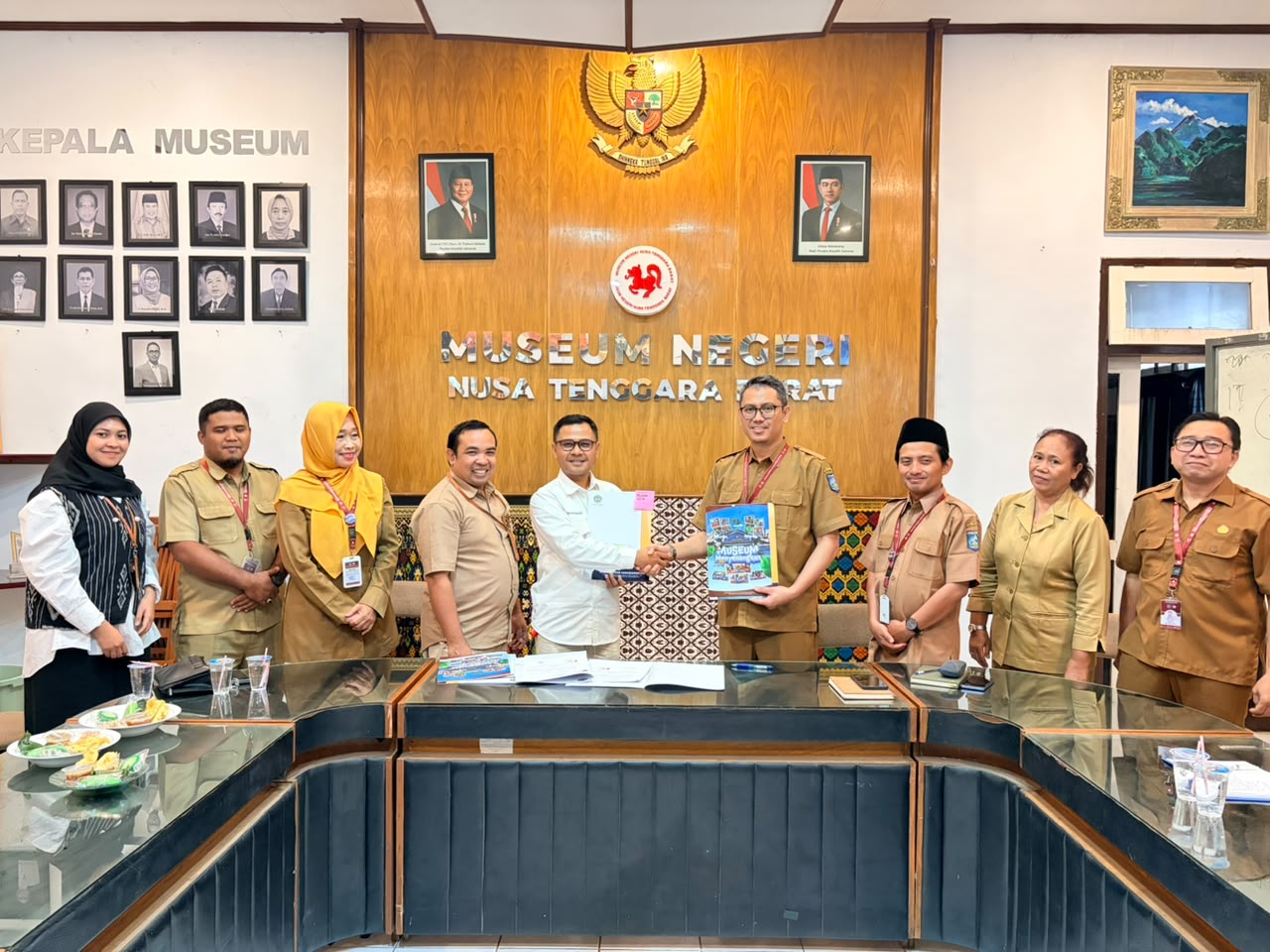
Mataram — Hamzanwadi University is expanding its strategic cooperation network with cultural institutions through the signing of a Memorandum of Understanding (MoU) and a Memorandum of Agreement (MoA) with the NTB Museum (September 7). This partnership represents a concrete step toward strengthening synergy in the fields of education, research, community service, culture, and heritage-based tourism.
The collaboration is expected to open broader opportunities for the Hamzanwadi University academic community to engage in various activities—ranging from education, research, and cultural preservation to human resource development—and to utilize the museum as a resource for learning and the development of cultural tourism destinations.
Representing Hamzanwadi University at the signing were Prof. Fahrurrozi, Dean of the Faculty of Social Sciences and Economics (FISE), and Jamaluddin, Head of the University's Center for Cooperation and International Partnerships. The NTB Museum was represented by its Head, Dr. Ahmad Nuralam, S.H., M.H.
Both institutions emphasized that the partnership would not be limited to administrative formalities but would aim to produce concrete, measurable, and sustainable programs that benefit both the institutions and the community.
The scope of collaboration encompasses museum-based learning, historical and cultural research and documentation, the development of educational and cultural literacy programs, student activities, and the enhancement of heritage-based tourism potential.
Prof. Fahrurrozi stated that the collaboration with the NTB Museum is part of Hamzanwadi University's effort to strengthen the connection between the academic world and various strategic institutions within society.
According to him, higher education institutions bear a responsibility not only to produce graduates with academic competence but also to ensure that the knowledge developed contributes to cultural preservation and community development. “This collaboration provides an opportunity for Hamzanwadi University to offer more contextual learning experiences. Students can learn directly from the historical and cultural resources held by the NTB Museum,” he stated.
Meanwhile, Jamaluddin emphasized that the signing of the MoU and MoA is part of Hamzanwadi University’s strategy to expand partnerships with various government agencies, cultural institutions, the industrial sector, as well as national and international partners.
“It is hoped that this collaboration will not end with the mere signing of documents. What matters more is how these agreements can be translated into measurable, sustainable work programs that deliver tangible impacts for both institutions,” he explained.
The Head of the NTB Museum, Dr. Ahmad Nuralam, S.H., M.H., welcomed the collaboration. He hopes the partnership with Hamzanwadi University will strengthen the museum's role as a space for education, research, and cultural development.
According to him, the museum possesses a wealth of learning resources that can be utilized more extensively through collaboration with higher education institutions. This utilization can be realized through various academic activities and innovative programs involving students and the academic community.
“Collaboration with universities is crucial for bringing the museum closer to the younger generation. A museum is not merely a repository for historical artifacts; it can also serve as a space for learning, research, creativity, and cultural development,” he said.
The collaboration between Hamzanwadi University and the NTB Museum brings together complementary strengths and resources. Hamzanwadi University contributes academic resources—including students, faculty, and research capacity—while the NTB Museum offers a rich collection, historical knowledge, and cultural heritage that serve as valuable learning resources for the academic community.
This synergy is expected to generate various innovative programs in the fields of education, research, community service, culture, and heritage-based tourism development.
The signing of the MoU and MoA marks the starting point for both institutions to build a more concrete and sustainable collaboration. Through this partnership, Hamzanwadi University and the NTB Museum are committed to creating a collaborative space that bridges academic knowledge with the region's rich cultural heritage.
This synergy fosters optimism that both institutions can make a broader contribution to strengthening education, preserving culture, developing tourism, and enhancing the quality of human resources in West Nusa Tenggara.